Feeding a family well on a reduced budget is possible with a clear plan, a focus on affordable staples and a willingness to reuse ingredients across more than one meal. The key is planning around ingredients rather than planning around recipes.
This builds on the system in our pillar guide, how to meal plan - here applied specifically to families on a budget.
The most affordable cooking ingredients
A family meal plan built around affordable ingredients goes much further than one built around premium or trend-led items. The most reliable budget staples include:
- Pasta and rice: filling, versatile and inexpensive per portion.
- Lentils and pulses: high in protein and very low in cost.
- Eggs: fast to cook, extremely versatile and affordable.
- Tinned tomatoes: a base for pasta sauces, stews, soups and curries.
- Potatoes and root vegetables: often the cheapest vegetables available.
- Frozen vegetables: as nutritious as fresh, often cheaper and with less waste.
- Oats: an affordable breakfast base that keeps hunger low for hours.
- Seasonal fresh vegetables: cheaper and better quality than out-of-season imports.
How to reuse ingredients to reduce costs
The most effective way to reduce a family food bill is to plan meals that share ingredients. A whole chicken can become a roast dinner, then a chicken soup using the carcass, then a chicken and vegetable rice using leftover meat. A large bag of onions, a jar of spices and tinned tomatoes form the base of pasta, curry, chilli and soup.
When building a plan, look for ingredient threads: what can be cooked in quantity and used across more than one meal? What can be frozen and returned to later? Doing this well also cuts waste - see how to reduce food waste at home.
Batch cooking for families
Batch cooking works particularly well for families because the effort-to-portion ratio is favourable: cooking twice as much takes very little extra time but produces twice the food. Useful batch-cook dishes include chilli, soup, curry, pasta sauce, rice, lentil dal and casseroles.
Cook once, eat twice. One batch session a week removes two evenings of cooking effort.
A practical budget family meal plan
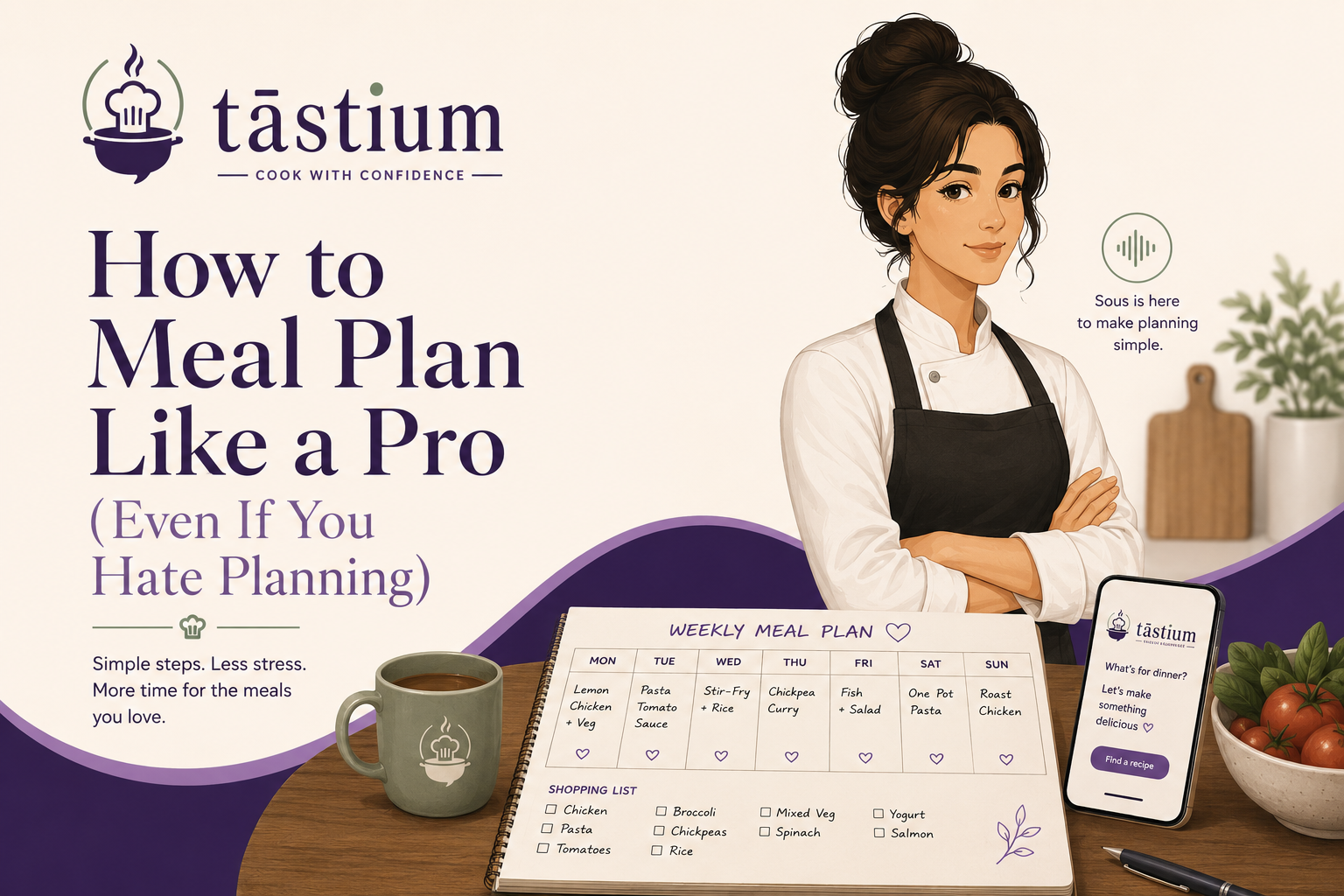
A simple seven-day family meal plan built on affordable ingredients might look like this:
- Monday: pasta with homemade tomato and vegetable sauce.
- Tuesday: egg fried rice with frozen peas and sweetcorn.
- Wednesday: lentil soup with crusty bread.
- Thursday: baked potatoes with beans and grated cheese.
- Friday: homemade chicken curry with rice.
- Saturday: leftovers from the week or a batch-cooked dish from the freezer.
- Sunday: a simple roast with roasted vegetables.
This plan uses affordable staples, allows ingredient crossover and builds in flexibility on Saturday using whatever is left in the fridge.
Reducing impulse purchases
A weekly shop without a list almost always costs more than one with a list. Impulse purchases - especially mid-aisle offers that don’t connect to any planned meal - add cost without adding usefulness. Shopping with a list based on a meal plan is the single most effective way to reduce the family food bill. There’s a full method in how to build a shopping list that saves money.
In summary
Cheap family meal planning is about ingredient-led thinking. Choose versatile, affordable staples, plan meals that share ingredients, batch-cook where possible and shop with a list. Done consistently, this reduces the family food bill meaningfully without reducing the quality or enjoyment of meals.
Frequently asked questions
Pasta, rice, lentils, eggs, tinned tomatoes, potatoes, frozen vegetables and oats are all inexpensive, nutritious and very versatile.
Plan meals around affordable staples, reuse ingredients across more than one meal, batch-cook when possible and shop with a list to reduce impulse purchases.
Yes. Cooking larger quantities takes only a little more effort but produces multiple meals. Batch-cooked dishes freeze well and remove cooking pressure on busy evenings.